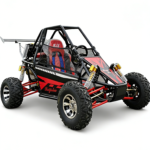
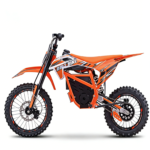
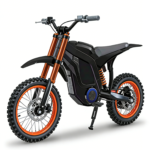
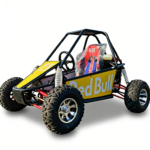
How to Choose an ATV for Tour Operators
Choosing the right ATV for tour operators is not only about engine size or price. For an ATV tour business, every vehicle must match the route, rider profile, daily usage frequency, maintenance capacity and long-term operating cost.
The right quad bike fleet can help an operator improve customer experience, reduce downtime and build a safer, more profitable off-road tour business. The wrong ATV choice can create higher repair costs, poor reviews and inconsistent fleet performance.
This guide explains how tour operators can choose suitable ATV models for commercial off-road routes, rental fleets, adventure parks and resort activities.
Start With the Riding Route
The first step is to understand the route. ATV tour operators should not choose models only by appearance or maximum power. The vehicle must match the real operating environment.
For flat grassland, resort paths and beginner routes, a smaller or electric ATV may be enough. For mountain trails, muddy routes, jungle paths or longer off-road tours, a stronger gas ATV may be more practical.
Tour operators should review:
- Route length
- Terrain type
- Average riding time
- Slope and turning conditions
- Water, mud or sand exposure
- Daily number of tour sessions
- Distance from maintenance support
For short guided routes, comfort and control may be more important than high power. For long adventure routes, durability, suspension, fuel range and braking performance become more important.
Match the ATV to the Rider Profile
ATV tour operators often serve many types of riders. Some customers are experienced outdoor riders, but many are first-time riders who need a stable and easy-to-control quad bike.
If most customers are beginners, the ATV should have predictable handling, comfortable seating and manageable speed. For family resort routes, electric ATV models can be a good option because they are quiet, smooth and beginner-friendly.
If the tour targets adult adventure riders, gas ATV models may be better because they can handle longer routes, rougher terrain and higher usage intensity.
Buyer questions to ask:
- Are most riders beginners or experienced?
- Is the tour designed for adults, families or youth riders?
- Do riders need automatic transmission?
- Is speed control important?
- Will guides lead every ride?
- Do riders use the vehicle alone or with a passenger?
The best ATV for tour operators is not always the most powerful model. It is the model that creates a safe, repeatable and enjoyable customer experience.
Electric ATV vs Gas ATV for Tour Operators
Electric ATV and gas ATV models both have value for commercial operations. The right choice depends on the business model.
Electric ATVs are suitable for resorts, beginner areas, short routes and low-noise locations. They offer smooth acceleration and lower routine maintenance because there are fewer engine-related parts to service.
Gas ATVs are suitable for longer routes, higher-frequency tour operations and rougher terrain. Refueling is fast, which can be important when vehicles must run many sessions per day.
Many tour operators can benefit from a mixed fleet:
- Electric ATVs for resort routes, beginners and family activities
- Gas ATVs for adult adventure routes and longer trails
- Youth or smaller electric ATVs for supervised riding areas
- Spare units to reduce downtime during peak seasons
Choose the Right Engine Size or Power Level
For ATV tour operators, engine size should match the route and rider group. A larger ATV is not always better. If the vehicle is too powerful for beginners, it can increase safety risks. If it is too small for rough routes, it may create performance and durability problems.
General guidance:
- Small electric ATV: supervised youth riding, resort paths and beginner zones
- Mid-size ATV: short tours, flat trails and family-friendly routes
- 200cc-300cc gas ATV: adult rental fleets and guided adventure routes
- Higher-power ATV: rough terrain, longer routes and experienced riders
Tour operators should choose a fleet that is easy for staff to manage and safe for customers to operate.
Check Suspension, Brakes and Tires
Commercial ATV use is different from occasional personal riding. Tour vehicles may run several sessions every day, so core components matter.
Suspension affects comfort and vehicle control. Brakes affect rider confidence and safety. Tires affect grip, stability and durability.
Before choosing an ATV supplier, tour operators should review:
- Front and rear suspension type
- Brake system
- Tire size and pattern
- Wheelbase
- Seat height
- Ground clearance
- Frame strength
- Recommended load
For rental fleets, simple maintenance and easy parts replacement are also important. A good off-road vehicle wholesale supplier should be able to explain which parts are most likely to wear during daily use.
Plan Spare Parts Before Buying
Many ATV tour businesses focus on unit price and forget spare parts planning. This is a common mistake.
ATV rental fleets need spare parts because downtime directly affects revenue. If one vehicle is out of service during peak season, the operator may lose bookings and customer satisfaction.
Recommended spare parts planning includes:
- Brake pads
- Tires and tubes
- Chains or drive components
- Throttle parts
- Cables
- Bearings
- Filters for gas models
- Battery-related parts for electric models
- Common body and control components
For high-frequency ATV tour operators, a spare parts package should be included in the first bulk order. This is usually more efficient than buying vehicles first and searching for parts later.
Consider Maintenance Capacity
The best ATV choice also depends on the operator's maintenance team. If the business has experienced mechanics, gas ATV models may be easier to manage because small engines are familiar in many markets.
If the business has limited mechanical support, electric ATVs may reduce routine maintenance pressure, especially for shorter routes and beginner operations.
Tour operators should ask suppliers:
- What routine maintenance is required?
- Which parts wear fastest?
- Are parts available for repeat orders?
- Can the supplier provide maintenance guidance?
- Are product manuals and specifications available?
- What should be included in a fleet spare parts kit?
Maintenance planning is part of the purchasing decision, not something to think about after delivery.
Compare Total Operating Cost, Not Only Unit Price
A lower purchase price is not always the better business choice. Tour operators should compare total operating cost.
Important cost factors include:
- Purchase price
- Spare parts cost
- Fuel or electricity cost
- Maintenance labor
- Downtime risk
- Product lifespan
- Shipping and loading cost
- After-sales support
- Repeat order availability
For off-road vehicle wholesale buyers, a reliable supplier is usually more valuable than the cheapest unit price. Stable product quality and parts support can protect the business over time.
What to Ask an ATV Manufacturer
Before placing an order, tour operators should ask practical questions that relate to real operation.
Useful questions include:
- Which ATV model is best for beginner tour riders?
- Which model is better for longer adventure routes?
- What is the recommended spare parts package?
- What is the packing size and container loading quantity?
- Can the supplier support repeat parts orders?
- What are the main maintenance points?
- Can the supplier recommend electric and gas models for a mixed fleet?
- What is the lead time for bulk orders?
An experienced ATV manufacturer or wholesale supplier should help buyers choose by use case, not only by model list.
Recommended Fleet Strategy
For most ATV tour operators, the best strategy is to build a balanced fleet.
A practical fleet can include:
- Entry-level ATVs for beginners
- Gas ATVs for adult adventure tours
- Electric ATVs for resorts or low-noise routes
- Youth electric ATVs for supervised areas
- Backup vehicles for peak season
- Spare parts package for daily maintenance
This structure allows the operator to serve more customers and reduce operational risk.
Why Toraktech
Toraktech supplies off-road vehicle models for wholesale buyers, dealers, resorts, rental fleets and adventure operators. The product line includes ATV, electric ATV, electric dirt bike, gas go kart and mini buggy models for different riding scenarios.
For ATV tour operators, Toraktech can help compare models by route, rider type, terrain and business use. Buyers can request product specifications, model recommendations and wholesale quotations based on their operating needs.
Final Recommendation
The best ATV for tour operators is the model that fits the route, rider profile, daily usage and maintenance plan. For short resort routes, electric ATVs may be a strong choice. For longer adventure trails, gas ATVs may be more practical. For many operators, a mixed fleet provides the best flexibility.
Before buying, tour operators should compare not only price, but also spare parts, supplier support, product durability and total operating cost.
FAQ
What type of ATV is best for tour operators?
The best ATV depends on route length, terrain and rider profile. Beginner routes may need easy-to-control models, while longer adventure routes may require stronger gas ATVs.
Are electric ATVs good for ATV tour businesses?
Yes. Electric ATVs are useful for resorts, short routes, beginner areas and low-noise environments. They can reduce routine maintenance pressure for some operators.
Are gas ATVs better for long tours?
Gas ATVs are often better for longer routes and high-frequency commercial use because refueling is fast and they can handle more demanding terrain.
How many spare parts should an ATV rental fleet prepare?
Fleet operators should prepare common wear parts such as brake pads, tires, cables, filters, drive parts and selected body components. The exact package depends on route and daily usage.
What should tour operators ask before buying ATVs wholesale?
They should ask about model recommendations, specifications, spare parts support, packing size, container loading, maintenance points and repeat order availability.