Gas Go-Kart Buying Guide for Dealers and Rental Fleets
Choosing a gas go-kart for a dealer showroom, rental fleet, resort, adventure park or tour operation is different from choosing one for occasional personal use. Commercial buyers need to think about performance, durability, spare parts, container loading, maintenance, safety and customer experience at the same time.
A good gas go-kart buying decision should answer one simple question: will this vehicle help the business sell, rent or operate reliably over time? The lowest unit price is not always the best choice if the kart creates more downtime, higher repair cost or poor rider experience.
This guide explains how dealers and fleet buyers can compare gas go-karts for wholesale purchasing, rental operations and off-road recreation businesses.
Start With the Business Use Case
Before comparing engine size or appearance, buyers should define how the gas go-kart will be used.
Dealers may need a product mix that looks attractive in the showroom, covers different price levels and is easy for customers to understand. Rental fleets need models that can handle repeated daily use, simple maintenance and fast turnaround between riders. Resorts and adventure parks need vehicles that feel exciting but are still predictable for beginner riders.
Common use cases include:
- Dealer showroom sales
- Off-road rental fleet
- Resort or hotel activity program
- Adventure park or amusement park route
- Farm and private land recreation
- Family outdoor vehicle sales
- Mixed ATV, go-kart and mini buggy fleet
The best gas go-kart for a rental fleet may not be the same model a dealer wants as a premium display product. The right selection starts with the buyer's customer group, route type and expected daily usage.
Choose the Right Engine Size
Engine size is one of the first points buyers compare, but bigger is not always better. For commercial use, the engine should match the rider profile and terrain.
Smaller gas go-karts can be useful for beginner riders, youth-oriented recreation and compact routes. Mid-range models are often practical for family recreation, rental fleets and general off-road use. Larger models can be more suitable for adult riders, rougher terrain and operators that want a stronger adventure experience.
When comparing engine size, buyers should consider:
- Target rider age and experience
- Route length and terrain
- Desired maximum speed
- Vehicle weight and load
- Fuel consumption
- Maintenance difficulty
- Local safety expectations
- Staff ability to manage riders
For rental and tour businesses, controllable power is usually more valuable than maximum power. A vehicle that feels stable and predictable can create better customer reviews and fewer operational problems.
Check Frame Strength and Suspension
Gas go-karts used by rental fleets and adventure parks may run many sessions per day. The frame, suspension and steering system must be able to handle repeated impacts, rough surfaces and different rider habits.
A strong frame helps protect the structure of the vehicle. Good suspension improves comfort, traction and control. Steering quality affects how confident riders feel, especially on narrow trails or bumpy routes.
Commercial buyers should review:
- Frame material and welding quality
- Front and rear suspension structure
- Ground clearance
- Wheelbase and stability
- Turning radius
- Steering components
- Shock absorber quality
- Tire size and tread pattern
If the go-kart will be used on sand, mud, gravel or uneven trails, suspension and tire selection become especially important. A kart that looks good in photos but cannot handle the route will create higher maintenance cost later.
Safety Features Matter for Commercial Buyers
Safety is important for every off-road vehicle, but it becomes even more important when the vehicle is used by customers, tourists or first-time riders.
Dealers and operators should compare basic safety features before placing a wholesale order. Important points include seat belt type, roll cage design, braking system, lighting, pedal layout and rider seating position.
Useful safety-related features may include:
- Strong roll cage
- Reliable seat belts
- Responsive brakes
- Stable wide stance
- Clear pedal layout
- Protective side structure
- Headlights or signal lights depending on use
- Easy access for staff inspection
For resorts, parks and guided rental routes, the go-kart should feel exciting without being difficult to control. Staff training, route rules and protective gear remain essential, but choosing a suitable vehicle helps reduce risk from the beginning.
Compare Maintenance Requirements
A gas go-kart rental fleet is only profitable when the vehicles are available for use. Downtime directly affects revenue, booking capacity and customer satisfaction.
Before buying, ask how easy the vehicle is to inspect, service and repair. Simple access to key parts can save time for mechanics and operators.
Maintenance points to review include:
- Engine access
- Chain or drive system
- Brake components
- Tires and wheels
- Steering parts
- Fuel system
- Air filter
- Battery and electrical wiring
- Common wear parts
For wholesale buyers, spare parts support is often as important as the vehicle itself. A slightly cheaper go-kart can become expensive if replacement parts are difficult to source.
Plan Spare Parts With the First Order
Dealers, rental operators and adventure parks should plan spare parts before the first container ships. This is especially important for international buyers because separate small parts shipments can be slower and less efficient.
A practical spare parts package may include:
- Brake pads
- Tires and tubes
- Chains or drive components
- Filters
- Belts if applicable
- Cables
- Bearings
- Throttle and brake parts
- Electrical components
- Selected body panels
The exact spare parts list should match the go-kart model and expected usage. High-frequency rental fleets should prepare more wear parts than a dealer that mainly sells units to retail customers.
Think About Container Loading and Packaging
For off-road vehicle wholesale buyers, shipping efficiency can affect the final landed cost. A gas go-kart may look competitively priced at the factory, but packing size, container quantity and loading method can change the real cost per unit.
Before confirming an order, buyers should ask:
- What is the packing size?
- How many units fit in a 20ft or 40HQ container?
- Is the kart shipped assembled, semi-assembled or CKD?
- Are cartons, steel frames or wooden packaging used?
- Are loading photos available?
- Can different models be mixed in one container?
- What documents and labels are needed?
For dealers and importers, container planning can help create a better product mix. A mixed order may include gas go-karts, ATVs and electric dirt bikes to serve more buyer groups in one shipment.
Match Products to Customer Segments
A strong dealer or rental fleet strategy usually includes more than one model. Different customers need different vehicles.
For dealers, a product matrix may include entry-level models for price-sensitive buyers, stronger adult models for performance-focused customers and electric options for buyers who prefer quieter operation.
For rental fleets, a practical mix may include:
- Beginner-friendly go-karts for first-time riders
- Stronger gas go-karts for adult adventure routes
- ATVs for guided quad bike experiences
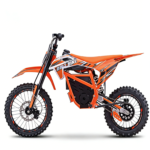
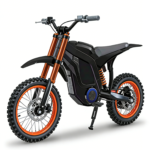
- Electric dirt bikes for quiet off-road riding areas
- Backup units for peak season
This approach helps the business serve more customers and reduce dependence on one single model.
Gas Go-Kart vs Mini Buggy
Many buyers compare gas go-karts and mini buggies. The terms are sometimes used differently across markets, but the business question is the same: which vehicle fits the route and rider?
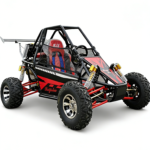
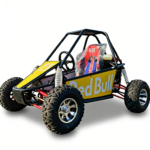
A gas go-kart may be compact, fun and easy to position for family recreation or rental use. A mini buggy may offer a more adventure-focused style with stronger visual appeal for resorts, parks and off-road routes.
When comparing the two, review:
- Seating layout
- Frame size
- Engine power
- Suspension travel
- Rider protection
- Route width
- Maintenance access
- Product positioning
For some businesses, both product types can work together. A resort may use mini buggies for premium guided routes and gas go-karts for shorter recreation sessions.
What to Ask a Go-Kart Manufacturer
A reliable go-kart manufacturer should help buyers choose by business use, not only by model number. Before placing an order, prepare practical questions.
Useful questions include:
- Which gas go-kart model is best for rental fleets?
- Which model is suitable for adult riders?
- Which model is better for beginner routes?
- What spare parts should be included with the first order?
- What is the container loading quantity?
- Can the supplier provide packaging and loading photos?
- Can sample orders be accepted?
- Is OEM or ODM customization available?
- What certificates or documents can be provided?
- How are repeat spare parts orders handled?
Clear answers to these questions show whether the supplier understands commercial buyers and long-term cooperation.
Why Toraktech
Toraktech supplies off-road vehicles for dealers, wholesalers, resorts, rental fleets, adventure parks and private land users. The product line includes gas go-karts, ATVs, electric ATVs and electric dirt bikes for different riding scenarios.
For B2B buyers, Toraktech supports factory-direct supply, small batch orders, OEM and ODM options, electric and gas models, product catalog support, container loading planning and export documentation such as CE, EEC and ISO-related materials where applicable.
Buyers can contact Toraktech to compare models, request specifications, review packaging details and build a product mix based on their target market.
Final Recommendation
The best gas go-kart for dealers and rental fleets is not simply the cheapest or most powerful model. It is the model that fits the buyer's customers, terrain, maintenance capacity, shipping plan and long-term business model.
Before ordering, compare engine size, frame strength, suspension, safety features, spare parts, packaging and supplier support. For many buyers, a mixed off-road vehicle order that includes gas go-karts, ATVs and electric dirt bikes can create stronger market coverage and better sales flexibility.
FAQ
What is the best gas go-kart for rental fleets?
The best gas go-kart for rental fleets depends on terrain, rider experience, daily usage and maintenance capacity. Rental operators should prioritize stable handling, durable frame design, reliable brakes, easy maintenance and spare parts support.
Is a bigger engine always better for a gas go-kart?
No. Bigger engines can provide more power, but commercial buyers should match engine size to the rider group and route. Beginner riders and short routes often need controllable power more than maximum speed.
What spare parts should dealers order with gas go-karts?
Common spare parts include brake pads, tires, chains, filters, cables, bearings, throttle parts, electrical components and selected body parts. The final list should match the model and expected usage.
Can gas go-karts be used by resorts and adventure parks?
Yes. Gas go-karts can be suitable for resorts, adventure parks and outdoor recreation routes when the model, route design, staff supervision and safety rules are properly planned.
What should importers ask before buying gas go-karts wholesale?
Importers should ask about model recommendations, specifications, packing size, container loading quantity, spare parts packages, certificates, sample orders, OEM/ODM options and after-sales support.