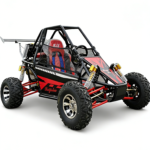
A gas go kart rental fleet can lose revenue when a low-cost wear part keeps a vehicle out of service. For adventure parks, resorts and rental operators, spare-parts planning should begin before the first container leaves the factory.
This gas go kart spare parts checklist explains which components commercial fleets commonly stock, how to estimate quantities and what to request from a go kart manufacturer.
Why rental fleets need a spare-parts plan
Commercial go karts operate more frequently than privately owned vehicles. Different riders, rough terrain, dust, heat and repeated braking can accelerate wear. International shipping also means that an urgent replacement may take longer than a local purchase.
A practical initial parts package protects vehicle availability without filling the workshop with slow-moving inventory. The right list depends on fleet size, engine, transmission, brake system, terrain and daily operating hours.
High-priority wear parts for gas go karts
Brake components
Brake pads, cables, master-cylinder service parts and brake hoses should be reviewed first. Ask for the exact pad dimensions and part numbers. Rental staff should inspect braking performance before every operating session.
Drive components
Chains, sprockets, CVT belts, pulleys and bearings transmit engine power to the wheels. Stock the components used by the exact model and record chain size, sprocket tooth count and belt code.
Engine service items
Air filters, fuel filters, oil filters, spark plugs, starter components and common gaskets support routine maintenance. Dusty locations may consume air filters faster than normal recreational use.
Controls and cables
Throttle cables, brake cables, gear selectors, ignition switches and stop switches can be damaged through repeated use. These parts are inexpensive compared with the cost of a parked kart.
Steering and suspension parts
Tie-rod ends, ball joints, bushes, wheel bearings and shock mounting hardware should match the fleet model. Operators should also stock common fasteners and clips specified by the manufacturer.
Wheels, tires and body parts
Terrain determines tire wear and puncture risk. Keep suitable tires, tubes or repair materials on hand. Frequently damaged guards, fenders, lights and mirrors may also deserve workshop stock.
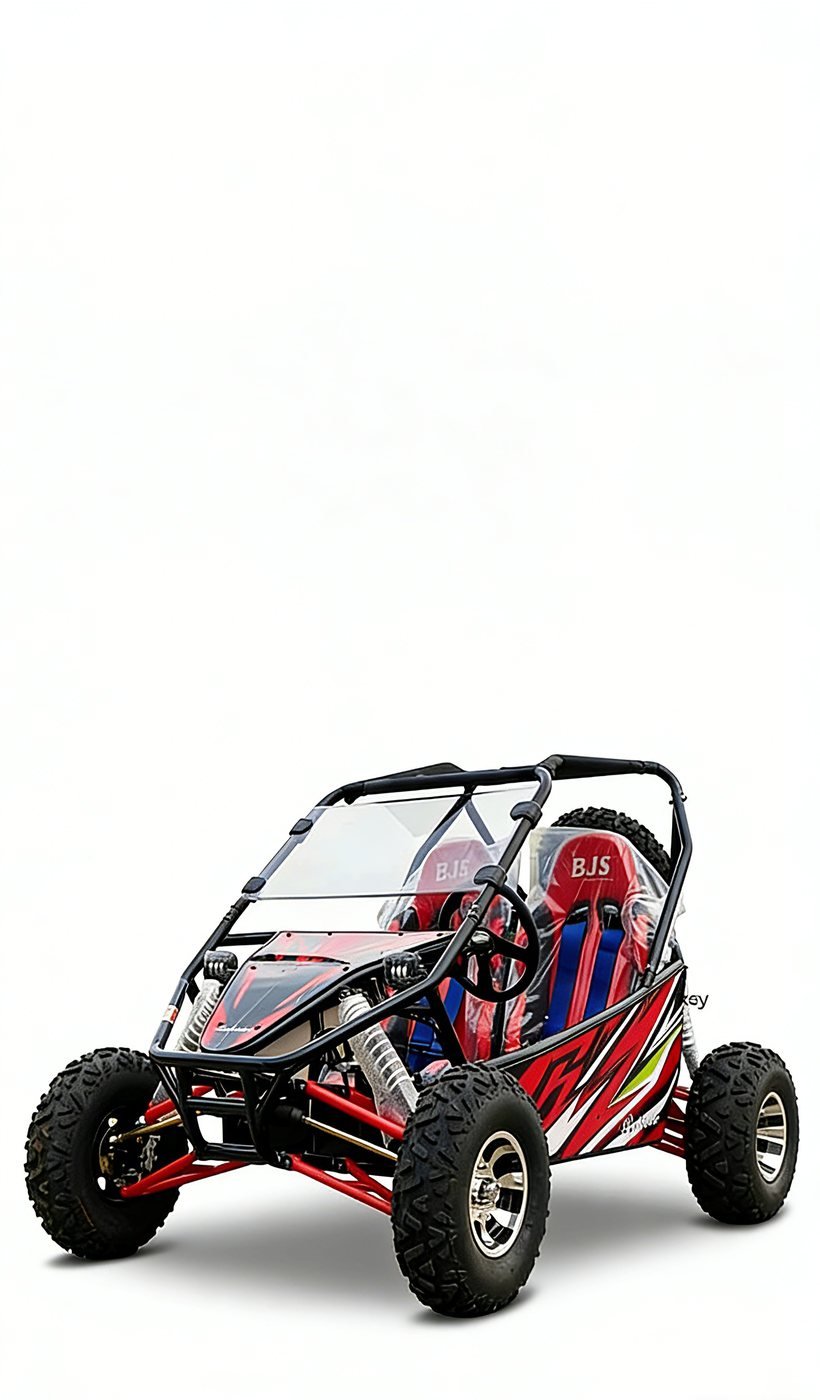
How many spare parts should a fleet order?
There is no universal percentage that fits every operation. Start with fleet quantity, operating hours and expected resupply time. A ten-vehicle fleet running daily needs a different package from a dealer ordering two display samples.
Group parts into three levels:
- Fast-moving service parts: filters, spark plugs, brake pads and drive belts.
- Operational replacement parts: cables, bearings, switches, chains and sprockets.
- Low-frequency critical parts: components that fail less often but can stop a vehicle completely.
Ask the manufacturer for recommended quantities for six and twelve months. After the first season, update the list using actual workshop consumption.
Standardize models to simplify inventory
Buying fewer platforms can reduce training time and parts complexity. If several go kart models share engines, brake pads, belts or electrical components, the workshop can support more vehicles with fewer stock keeping units.
Before ordering, request a compatibility table showing which parts are shared. Model standardization can be especially useful for operators expanding from a small sample order to a larger fleet.
Documents to request from a go kart manufacturer
- Exploded parts diagrams with part numbers
- Routine maintenance schedule
- Engine, transmission and brake specifications
- Recommended first-order spare-parts list
- Service manual and basic troubleshooting guide
- Electrical diagram where applicable
- Packing dimensions and parts carton details
- Warranty process and evidence requirements
Clear documentation helps technicians identify the correct component and prevents ordering delays caused by informal descriptions or photos alone.
Build parts into the container plan
Spare parts can often ship with the vehicle order. Ask the supplier to identify parts cartons on the packing list and protect small components from moisture and loss. Buyers should check how parts affect container space, customs declaration and shipment value.
For mixed-model containers, keep each model’s parts separately labeled. A digital inventory sheet should match the carton labels and manufacturer part numbers.
Workshop stock control for rental fleets
Assign every vehicle a fleet number and record parts used for each repair. Set minimum stock levels for common items and reorder before the quantity reaches zero. Monthly review can reveal repeated failures, maintenance gaps or unsuitable operating practices.
Staff should quarantine damaged safety components and avoid installing parts with uncertain compatibility. Torque settings, fluid specifications and adjustment procedures should follow the model documentation.
Questions to include in a wholesale RFQ
- Which spare parts are included with the standard vehicle?
- What parts package is recommended for the planned fleet size?
- Which components are shared across other models?
- What are the typical production and dispatch times for replacement parts?
- Can urgent parts ship by courier?
- Are part numbers shown on diagrams and packing lists?
- What is the MOQ for individual spare parts?
- Are OEM colors, decals and branded parts packaging available?
Plan vehicles and support together
A wholesale offer should combine vehicle price, sample terms, spare parts, documentation, packaging and loading quantity. Torak supports sample orders, low starting quantities, OEM or ODM requirements and container shipments for overseas buyers.
Explore the Torak go kart range, read the gas go kart buying guide, and compare gas and electric go karts for rental fleets. For a model and spare-parts quotation, contact Torak with your market, fleet size and operating conditions.
Frequently asked questions
Which gas go kart spare parts wear out fastest?
Brake pads, filters, spark plugs, drive belts, chains and cables are common service items. Actual wear depends on the model, terrain, rider behavior and operating hours.
Should spare parts ship with the first go kart order?
Yes. An initial service package can reduce downtime while the operator builds local stock and learns actual consumption.
How should a rental fleet track spare parts?
Use manufacturer part numbers, vehicle identification, minimum stock levels and repair records. Review usage regularly and adjust reorder quantities.
Can parts for different go kart models be shared?
Some models may share engines, brake parts, belts or electrical components. Buyers should request a confirmed compatibility list from the manufacturer.
Does Torak support sample orders and spare-parts packages?
Sample orders and tailored spare-parts packages can be discussed according to the selected model, destination and planned fleet size.