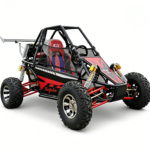
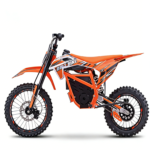
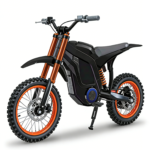
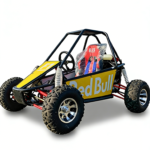
For rental fleet managers, product selection has to support real operating conditions, not only an attractive specification sheet. This guide explains how to match 125cc, 200cc, 300cc and 400cc models to rider skill, terrain and operating cost. It focuses on the commercial questions that affect safety, reliability, customer experience and total ownership cost.
Use the recommendations as a purchasing framework and confirm the final specification with the manufacturer, customs adviser and local operating authority. Requirements vary by model, market and intended use.
Why Atv Engine Size Guide Matters
A well-matched ATV is easier to operate, maintain and support. A poor match can create avoidable downtime, slow staff training and increase the number of spare parts a business must hold. The buying decision should connect vehicle specification with rider profile, terrain, daily workload and local service capability.
Start with the operating scenario. Record expected riders, route length, surface, gradients, climate, hours per day and peak-season demand. This turns a general product enquiry into a specification that suppliers can quote accurately.
Define the Commercial Use Case
- Dealership: prioritize clear model positioning, documentation and repeatable parts supply.
- Rental fleet: prioritize simple controls, inspection access and fast replacement of wear parts.
- Tour operator: prioritize predictable handling, staff supervision and route suitability.
- Resort or park: prioritize guest comfort, controlled performance and low disruption.
- Farm or private land: prioritize practical utility, terrain performance and durability.
Do not use one specification for every customer group. A focused range is usually easier to market and support than a large catalogue with overlapping models.
Specifications to Compare
Review engine output, rider limits, cooling, gearing and service access. Ask for a complete specification sheet and identify which items are standard, optional or market-specific. Compare models using the same units and test conditions.
Headline power or speed does not describe the whole vehicle. Frame geometry, vehicle weight, tire choice, controller or engine calibration, braking hardware and final gearing all influence real performance. For commercial use, predictable behavior and service access often create more value than the highest advertised figure.
Match the Vehicle to Riders and Terrain
Define minimum and maximum rider size, experience and supervision. Then map the route: hard ground, loose soil, sand, mud, grass, gravel and slopes each place different demands on tires, suspension and power delivery.
Where inexperienced riders are expected, controlled acceleration and clear braking response are important. Commercial operators should use route rules, rider briefings and staff oversight rather than relying on vehicle features alone.
Durability and Serviceability
Ask how frequently the vehicle is designed to operate and which parts are considered normal wear items. Inspect access to filters, chains, brakes, batteries, controllers, fasteners and suspension pivots as applicable. Easy inspection can reduce labor time and make daily checks more consistent.
Request an exploded parts diagram, user manual and recommended maintenance schedule before the bulk order. Confirm that parts use stable part numbers and that the supplier can identify model revisions.
Build a First-Year Spare-Parts Plan
A practical opening stock normally combines fast-moving wear parts with a smaller quantity of critical components that could stop a vehicle from operating. The exact list should reflect fleet size, terrain, utilization and supplier lead time.
- Brake pads, cables or hydraulic service items
- Chains, sprockets, bearings and common fasteners
- Tires, tubes or puncture-repair materials
- Filters, plugs and service fluids for gas models
- Throttles, displays, chargers or controllers for electric models
- Frequently damaged plastics, lights and control levers
Quality Control Before Shipment
Approve a written specification before production. The pre-shipment inspection should verify model, color, quantity, labels, major components, function, accessories, spare parts and packaging. For a fleet order, sample several units rather than checking only one display vehicle.
Ask for packing photos, package dimensions, gross weight and shipping marks. If vehicles require assembly after arrival, request instructions and confirm which tools and consumables are needed.
Certification and Import Planning
Vehicle classification and document requirements differ by destination. Confirm local rules before ordering and match every certificate to the exact model and specification. A certificate for a related product may not cover the vehicle being purchased.
Build landed cost from the unit price, packaging, inland freight, export charges, ocean freight, insurance, duty, tax, destination handling, assembly and local delivery. This gives a more useful comparison than factory price alone.
Questions to Ask the Supplier
- Which model and specification best match the intended use?
- What is the MOQ for standard units and OEM branding?
- Which components and accessories are included?
- What quality tests are completed before shipment?
- Which certificates are available for this exact model?
- What are the packed dimensions and gross weight?
- Which spare parts should be ordered with the first shipment?
- What technical manuals and parts diagrams are available?
- What is the production lead time?
- How are warranty and technical claims handled?
FAQ
What is the best ATV for commercial use?
The best choice is the model that fits the rider group, terrain, workload, local rules and service capability. Define the operating scenario before comparing specifications.
Should a buyer order a sample first?
A sample can validate fit, performance, assembly and documentation before a bulk order. Record every approved change so the production units match the final sample specification.
Can different models be mixed in one container?
Mixed loading may be possible, subject to MOQ, production schedules and safe loading limits. Request a detailed packing list and loading plan.
What should be included in an OEM order?
Define logos, colors, decals, labels, manuals, packaging and product specifications in writing. Confirm separate MOQs and approval samples for customized items.
How should buyers compare supplier quotations?
Compare the exact specification, included accessories, packing, documents, spare parts, warranty process and landed cost. A lower unit price may exclude items needed for operation.
Request a Wholesale Quotation
TorakTech supports distributors, tour operators, resorts, parks, rental fleets and private-label buyers with gas and electric off-road vehicles. Browse our ATV products, learn more about TorakTech, or contact us with your target market, quantity and destination port.