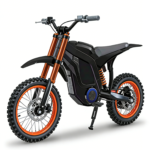
Electric ATVs can help resorts, tour operators and rental fleets reduce noise around guests while simplifying some routine engine-service tasks. Their commercial value, however, depends on a charging system that matches the daily operating schedule.
This electric ATV charging guide explains how to estimate charger capacity, organize a fleet charging area, protect batteries and compare wholesale models before ordering.
Start with the daily operating schedule
Charging plans should begin with the work the fleet must complete. Record the number of guest sessions per day, route length, terrain, rider weight, average speed and the time available between sessions. Sand, mud, slopes and frequent acceleration normally consume more energy than flat, firm tracks.
Do not plan around the maximum advertised range. Ask the manufacturer for the test conditions behind the range figure and build a reserve into the operating schedule. A resort may need only one overnight charge, while a busy adventure park may require spare vehicles, removable batteries or staggered charging.
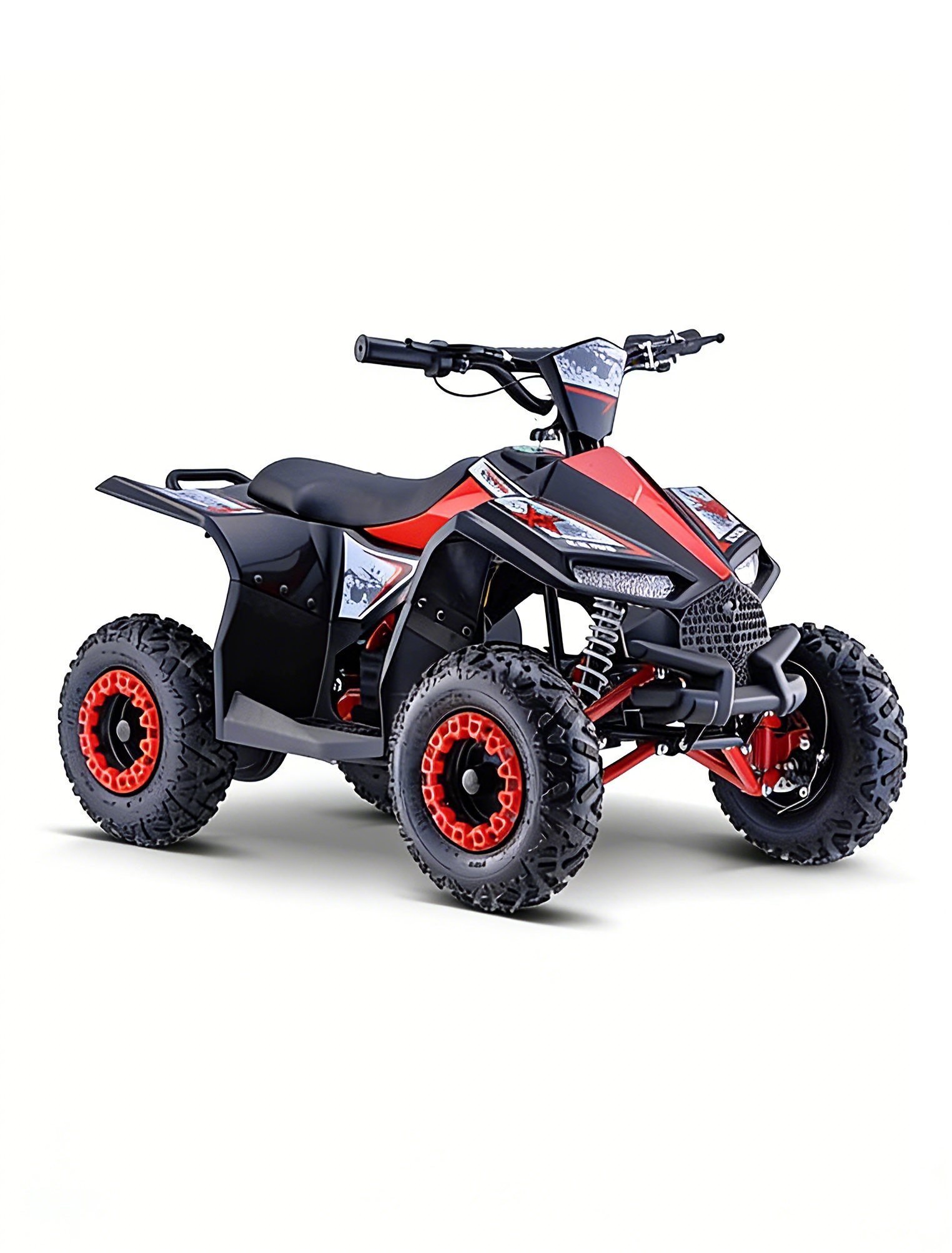
Understand battery capacity and charging time
Battery voltage and amp-hours are useful specifications, but watt-hours give buyers a clearer way to compare stored energy. Multiply nominal voltage by amp-hours to calculate nominal watt-hours. Actual usable energy may be lower because the battery management system protects the battery from excessive discharge.
Charging time depends on battery capacity, charger output, battery temperature and the charging curve. The final part of a charge may slow as the battery approaches full capacity. Wholesale buyers should request typical charging time from a normal remaining state of charge, not only a theoretical zero-to-full figure.
Calculate how many chargers the fleet needs
A simple planning method is to list every ATV, its expected return time and when it must be available again. If all vehicles return at the same time, the electrical system and charger count must handle the peak. Staggering tours can reduce this peak and spread charging across the day.
Ask the supplier for charger input voltage, rated input power, plug type and recommended circuit protection. Then have a qualified local electrician assess the facility. The building supply, distribution board, cable routes and local electrical rules determine how many chargers can operate safely at once.
Design a practical electric ATV charging area
A commercial charging area should be dry, ventilated, protected from guest traffic and easy for staff to supervise. Chargers and cables need clear storage positions so they are not driven over, pulled or exposed to standing water.
- Assign a numbered parking and charging position to each ATV.
- Keep chargers off wet floors and away from wash-down areas.
- Provide enough space for visual inspection and safe cable connection.
- Follow the manufacturer requirements for ventilation and temperature.
- Install suitable electrical protection according to local regulations.
- Restrict access to trained staff.
- Keep damaged batteries, chargers and cables out of service.
Operating procedures should cover connection, disconnection, inspection, fault reporting and emergency response. Staff training matters as much as the hardware.
Removable batteries or fixed batteries?
A removable battery can allow off-vehicle charging and quick swapping, which may increase fleet availability. Buyers must consider battery weight, lifting method, connector durability, locking system and secure storage. Repeated handling can become difficult if the battery is heavy or the access area is cramped.
A fixed battery can reduce daily handling and simplify vehicle construction. The ATV must remain near a charger during the charging period, so the fleet may need more vehicles to cover busy hours. The best option depends on session frequency, staffing and available charging space.
Battery care in hot and humid markets
Australia, the Middle East and Southeast Asia can expose vehicles to heat, humidity, dust and salt air. Ask the manufacturer for the permitted charging and storage temperature ranges, enclosure protection information and maintenance instructions.
Avoid charging a battery immediately after extreme use if the manufacturer requires a cooling period. Keep connectors clean and dry, inspect seals and cable insulation, and store vehicles away from direct heat when possible. For seasonal storage, follow the recommended state of charge and inspection interval.
Track battery health across the fleet
Give every ATV and removable battery a unique identification number. A simple log can record operating hours, charge cycles, charging time, warning codes, unusual heat and changes in practical range. Consistent records help operators find a weak battery before it interrupts a guest session.
If one vehicle regularly returns with less energy than the others, compare tire pressure, brake drag, rider load, route assignment and controller settings before assuming the battery is faulty.
Questions to ask an electric ATV manufacturer
- What are the nominal voltage, amp-hours and watt-hours?
- Which cell chemistry and battery management protections are used?
- What test conditions support the published range?
- What are the standard charger output and typical charging time?
- Is a faster charger available and approved for this battery?
- Is the battery removable, and what does it weigh?
- What are the charging and storage temperature limits?
- What replacement battery price and availability can be expected?
- Which battery transport and compliance documents are available?
- What warranty terms apply to the battery, motor and controller?
- What is the MOQ, and is a sample order accepted?
- Can OEM colors, decals, manuals and packaging be supplied?
Test a sample before a fleet order
A sample ATV lets the buyer measure real operating time on the intended route. Use a consistent rider weight, tire pressure, speed mode and route. Record starting charge, riding time, distance, ambient temperature and remaining charge after each test.
Also evaluate charger quality, connector access, cable length, display accuracy and staff workflow. The sample test should produce a practical fleet schedule rather than a single maximum-range result.
Plan the complete wholesale package
Request a quotation that includes the electric ATVs, chargers, spare charging cables, common service parts and optional replacement batteries. Provide the destination market, terrain, fleet size, daily schedule, certification needs and destination port.
Torak supports sample orders, low starting quantities, OEM or ODM requirements and container shipments. Buyers can explore the Torak ATV range, compare electric ATVs and gas ATVs for tour operations, and review our ATV fleet maintenance checklist. For specifications and wholesale pricing, contact Torak with your operating schedule and market.
Frequently asked questions
How long does an electric ATV take to charge?
Charging time depends on battery capacity, charger output, temperature and starting state of charge. Ask for typical charging time for the exact battery and charger combination.
Can several electric ATVs charge at the same time?
Yes, if the electrical supply, circuits and protective equipment are designed for the total load. A qualified local electrician should assess the installation.
Is fast charging suitable for a rental fleet?
Only use charging equipment approved for the battery. Faster charging may improve availability, but battery temperature, service life, infrastructure cost and warranty terms must be considered.
Should a resort buy spare electric ATV batteries?
Spare batteries can help when batteries are removable and daily demand exceeds normal charging windows. Compare the added availability with battery cost, handling and storage requirements.
Can Torak provide a sample electric ATV?
Sample orders are accepted subject to model availability and shipping arrangements. A sample helps operators validate range, charging and route suitability before a larger order.