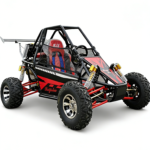
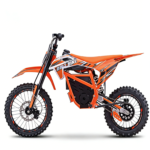
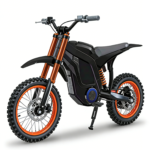
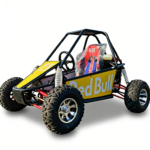
Importing ATVs, go karts, electric dirt bikes or mini Jeeps from China can give distributors and fleet operators access to a wider product range and factory-direct pricing. The result depends on more than the unit price. Buyers need to confirm the product, supplier, compliance documents, packaging and after-sales plan before placing an order.
This checklist explains how wholesale buyers can prepare a clear inquiry and compare off-road vehicle manufacturers on equal terms.
1. Define the vehicle and its working conditions
Start with the intended user and operating environment. A tour operator running vehicles every day has different needs from a dealer supplying private land owners. Tell the manufacturer whether the vehicle will be used on sand, mud, hills, farm tracks, resort paths or a closed adventure park.
Your inquiry should state the product type, expected engine size or motor power, rider age group, number of seats, target speed, load, wheel size and required quantity. For electric models, also request battery chemistry, nominal voltage, capacity, charging time and replacement battery availability.
2. Compare total landed cost
A low factory quote does not always mean a low landed cost. Ask for the Incoterm, packing dimensions, gross weight and loading quantity. These details affect sea freight, port charges, import duty and local delivery.
For a useful comparison, request the same information from every supplier: unit price, MOQ, sample terms, spare parts package, packaging method, production lead time and container loading quantity. Torak supports sample orders, low-volume starting quantities and consolidated planning for buyers building a new product line.
3. Check compliance for the destination market
Compliance requirements vary by country and by whether the vehicle is used on public roads or private property. Ask which documents are available for the exact model and configuration, rather than assuming that one certificate covers a complete range.
Buyers commonly ask about CE, EEC and factory quality documents. Australian, Middle Eastern and Southeast Asian importers should also confirm local registration, labeling, battery transport and customs rules with their broker before shipment.
4. Inspect safety and service items
Review brakes, steering, suspension, tires, frame welds, guards, seat belts and emergency controls according to the vehicle type. Tour and rental fleets should prioritize simple daily inspection points and parts that can be replaced quickly.
Request a recommended spare parts list with part numbers. Common fleet items include brake pads, cables, bearings, filters, belts, chains, sprockets, lights and body panels. A practical initial parts package can reduce downtime after the vehicles enter service.
5. Confirm packaging and loading
Ask for current packaging photos and a loading plan. Confirm whether vehicles ship fully assembled, partly assembled or in steel frames and cartons. Check what tools and assembly instructions are supplied.
Container buyers should request the estimated quantity for 20-foot and 40-foot containers, including the assumptions behind the calculation. Mixed-model loading may be possible, but dimensions and packaging must be checked before the final order.
6. Plan OEM and ODM details early
OEM options may include colors, decals, logos, seat embroidery, manuals and packaging marks. Clarify minimum quantities, artwork formats, sample approval and added lead time. For deeper ODM changes, agree on specifications, tooling ownership, testing and revision control in writing.
7. Use a structured RFQ
A complete request for quotation helps the factory respond faster. Include your company and market, product type, application, technical requirements, quantity, destination port, certification needs, branding needs and target delivery date. Add photos or reference models when a feature is difficult to describe.
Questions to ask an off-road vehicle manufacturer
- What is the MOQ, and is a sample order accepted?
- Which specifications are standard and which are optional?
- What certificates and test reports apply to this exact model?
- What are the production and sample lead times?
- How many units fit in each container size?
- Which spare parts are recommended for the first year?
- Can the factory provide OEM colors, decals and packaging?
- What inspection photos or videos are supplied before shipment?
Why wholesale buyers work with Torak
Torak supplies gas and electric off-road vehicles for distributors, tour operators, resorts, adventure parks, rental fleets and private-land users. Buyers can discuss low starting quantities, sample orders, OEM or ODM requirements, container shipments and product documentation with one team.
Explore our go kart range, ATV range and electric dirt bikes. For a model recommendation and quotation, contact Torak with your market, application and expected quantity.
FAQ
Can I order one sample before a wholesale order?
Yes. Torak accepts sample orders for model evaluation, subject to model availability and shipping arrangements.
Can different off-road vehicles be loaded in one container?
Mixed loading may be available. The final quantity depends on the packaging dimensions and selected models.
What information is needed for a quotation?
Provide the vehicle type, application, quantity, destination port, compliance needs, branding requirements and preferred delivery schedule.
Does Torak support OEM and ODM orders?
Yes. Available options depend on the product, quantity and requested changes, so specifications should be reviewed before pricing.
Which markets can Torak supply?
Torak works with overseas buyers, including businesses in Australia, the Middle East and Southeast Asia. Import and registration requirements must be confirmed for each destination.